

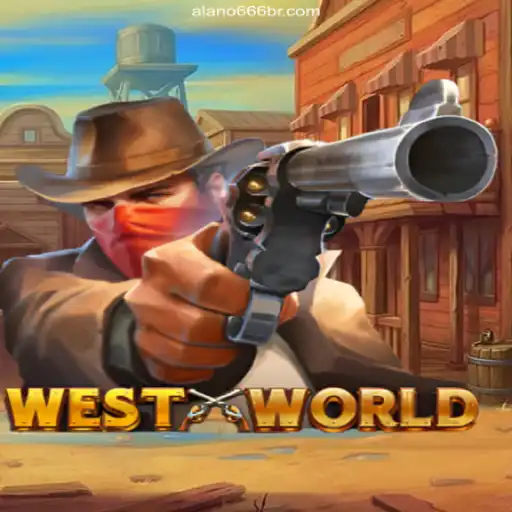
WestWorld: Embrace the Narrative of Adventure and Strategy
In the realms of gaming, few titles capture the imagination quite like WestWorld, a game that lures players into a dynamic fusion of storytelling and tactical prowess. As gaming paradigms shift toward more immersive and realistic experiences, WestWorld stands out as an exemplar, weaving together elements of adventure and strategy into a cohesive narrative thread.
Game Introduction and Setting
WestWorld immerses players into a universe where technological marvels intersect with the gritty realism of the frontier lands. Set against a backdrop reminiscent of the wild west, this game employs cutting-edge AI to craft an evolving world that adapts to the player's choices. The narrative, heavily influenced by current advancements in AI and robotics, challenges players to navigate a landscape where every action has consequences.
What sets WestWorld apart is its commitment to an open-world structure. Players have the liberty to explore richly detailed environments, each teeming with interactive elements that push the boundaries of traditional gameplay. This aspect not only enhances replayability but also engages players in a way that mirrors real-world explorations, making it relevant in today's context of expansive AI development.
Gameplay Mechanics and Rules
WestWorld employs a blend of role-playing and strategy mechanics. At its core, it is designed to challenge the player's decision-making abilities, demanding both forethought and adaptability. As the game progresses, players encounter scenarios that require strategic planning, reflecting the decision trees seen in current AI algorithms.
One of the primary mechanics involves the player's ability to shape the world through their interactions and decisions. This feature draws parallels to today’s discussions surrounding the ethics of AI and machine learning, where each decision can drastically alter outcomes. In WestWorld, choices are consequential, building a narrative unique to each player's actions and choices.
The rules governing WestWorld encapsulate a wide array of systems that players must master:
- Resource Management: Players must balance scarce resources, echoing themes prevalent in environmental sustainability dialogues. Decision-making in this realm mirrors real-life considerations in resource allocation.
- Character Development: As players progress, character skill trees evolve based on experiences, thresholds that players set through their journey. This is akin to professional skillsets development in contemporary career growth.
- Strategic Alliances: Forming alliances can lead to stronger position advantages, much like geopolitical strategies seen in current international relations.
- Interactive Storytelling: With every decision impacting possible scenarios, players experience a multitude of storylines, connecting to current trends in customizable content consumption.
Current Events and Gaming
In recent years, the gaming industry has been at the forefront of technological evolution, drawing parallels with other sectors such as finance and marketing. The demand for more immersive and customizable experiences has fostered a synergy with technologies like AI and blockchain. Given the theme of WestWorld, players invest not just in entertainment, but in a narrative experience that reflects their world’s advancements and ethics.
The recent surge in discussions about artificial intelligence’s role in society parallels WestWorld’s narrative mechanics. The game invites players to explore themes of autonomy, consequence, and moral ambiguity, effectively mirroring the public discourse on how technologies like Alano666 can reshape the landscape of industries such as betting and gaming.
In conclusion, WestWorld serves as both a reflection and a critique of current technological advancements. Its universe is a sandbox where players can witness and orchestrate outcomes akin to real-world events, thereby providing a platform for critical engagement with contemporary themes.